
How a research consultancy shipped 300+ web prototypes for global brands with zero missed deadlines.
A consumer-relations research programme for global household-brand clients spanned four product categories. Each needed six-plus interface alternatives, programmed to research-grade fidelity for both qualitative and quantitative waves. Schemerr was the build partner: seven months, 300+ prototypes shipped, every weekly research deadline met.
Web Prototypes Programmed
300+
Both research waves · 4 categories
Categories Covered
4/4
Baby · Shave · Oral · Appliances
Engagement
7mo
February → September
On-Time Research Deadlines
100%
Weekly waves · zero slippage
The brief
Four categories. Six-plus alternatives each. Qual, then quant.
The consultancy's portfolio spanned four product categories for global household consumer-brand clients. The brand teams were rethinking how consumers reached help — moving from “the consumer figures out where to go” to a guided, search-based experience that meets them where they are. Each category needed multiple alternative designs mocked and programmed for research testing across both qualitative and quantitative waves.
The challenge wasn't strategy — they had that. It was execution at scale: multiple stakeholders per brand, weekly research deadlines, and zero margin for slippage on a timeline that was already aggressive. They needed a build partner who could grasp the research intent fast and programme to it.
Client
Consumer research consultancy
Tradewind Group · global household-brand partners
Scope
6+ alternatives × 4 categories
Qualitative then quantitative waves
Build Environment
HTML / CSS / JS prototypes
Research-grade · desktop testing
Constraint
Weekly research waves
Non-negotiable deadlines
What we built
300+ prototypes. Four categories. Both research modes.
The work split across two axes: four product categories — baby care, shave, oral care, personal appliances — and two research modes, qualitative first, quantitative second. Six alternative interface designs per category, programmed to research-grade fidelity for desktop testing. Each design ran four to five hours of build time, replicated and adapted across categories with the right brand context.
The Build, Per Category
- Six interface alternatives per category, each a distinct answer to “how does a consumer reach help?”
- Programmed to research fidelity — clean enough to interface with the consultancy’s research-stimulus environment.
- Two waves from one framework. Qualitative variants first, quantitative variations built on the same base.
- Adapted per brand context — category specifics for returns, registration, refills, warranty and service.
Why It Held Together
- The unit was the prototype, not the test. The consultancy ran the research and read results; the build job was clean, interface-ready alternatives.
- Velocity without slippage. Every weekly wave shipped on time across seven months.
- Cross-category patterns. Designs proven in one category were adapted, not rebuilt, in the next.
The alternatives
One guided help-entry hub — then a fan of tested variants.
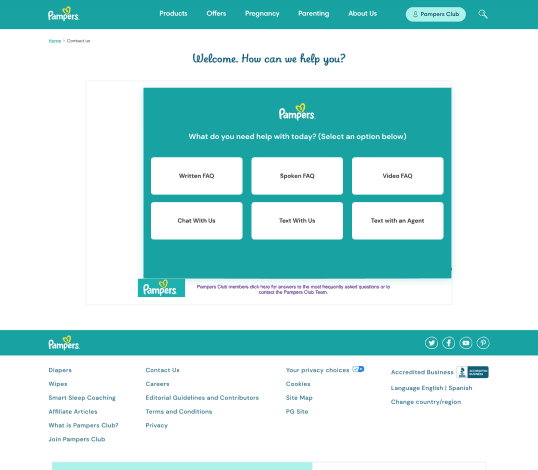
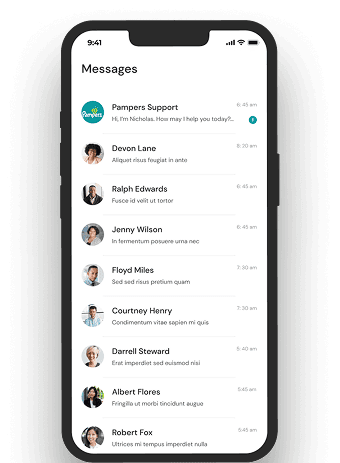
The anchor concept replaced “figure out where to go” with a single guided hub: pick how you want help, then route into it. From that base, the programme tested entry-point and channel variants — written, spoken and video FAQ, live and assisted chat, search-led entry, and differentiated complaints intake — each programmed as a clean variant for the research waves.
Anchor Concept · Baby Care
Guided help-entry hub — “meet them where they are”
V1Search bar + Written FAQ
Type-to-answer entry
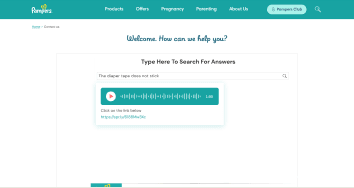
V2Spoken FAQ
Audio answer + linked action
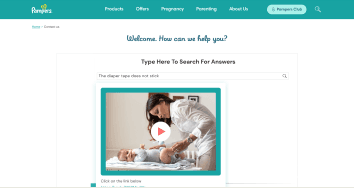
V3Video FAQ
Demonstrated answer
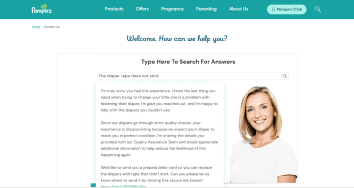
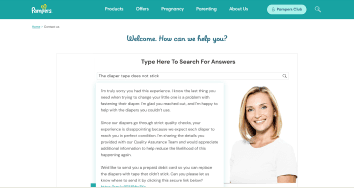
V4Search + CR review
Consumer-relations response in-line
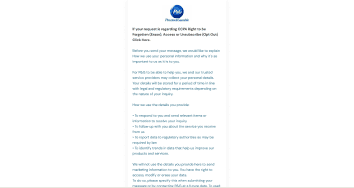
V5Complaints intake flow
Differentiated case form
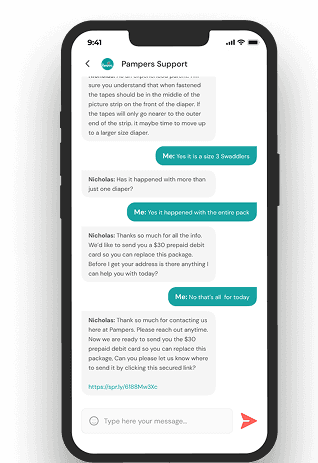
V6Case confirmation
Resolution path + case number
How it played out
The seven-month build, February to September.
Kickoff + stimulus environment setup
Brief alignment · pipeline agreed · baby care queued
Baby care ships · qual wave 1 live
First six alternatives delivered · feedback loop set
Shave + oral care ship
Cross-category patterns emerge · stakeholder coordination tightens
Personal appliances live · qual wave complete
All four categories covered · findings fold into roadmap
Quant prep · variant expansion
Second-round alternatives · variant count past 150+
Quantitative research live, all 4 categories
Programming velocity holds · weekly cadence maintained
300-prototype milestone hit
Both waves · four categories · final quant cycle wraps
Engagement closes · re-engagement signalled
Final handover · repeat-cycle intent confirmed
The results
What seven months of research-mode building delivered:
Web prototypes programmed for research testing, across four categories and two research waves.
Average programmed per product category — some categories ran 90+ by closing.
On-time research deadlines across seven months of weekly waves — zero slippage.
I used Dayo to program over 300 versions of website alternatives for testing. The work was extremely detailed. Dayo quickly grasped what we were trying to do, guided us so we used the most appropriate programming to interface with our research, and got this super-complicated project done. You can imagine how much communication it took to deliver 300 different programs and how challenging the timeline was. Dayo communicated fully and met all deadlines. I would not hesitate to recommend Dayo to anyone, and will use him again when I get the chance.
Mary Day · Partner
Tradewind Group · consumer research consultancy
Need a build partner who programmes to the research, on deadline?
Talk to DayoClient
Tradewind Group
Service
Research Prototyping
Categories
Baby · Shave · Oral · Appliances
Timeline
7 months · Feb–Sep
Result
300+ prototypes / 100% on time